


Muscle strains are a common occurrence in the realm of sports and physical activities. As a dedicated sports medicine supplier, I've witnessed firsthand the impact these injuries can have on athletes and fitness enthusiasts. In this blog, I'll delve into how sports medicine approaches the treatment of muscle strains, exploring the various methods and products that play a crucial role in the recovery process.
Understanding Muscle Strains
Before we dive into the treatment, it's essential to understand what a muscle strain is. A muscle strain, often referred to as a pulled muscle, occurs when a muscle or tendon is overstretched or torn. This can happen due to sudden movements, overexertion, or improper warm - up. Symptoms typically include pain, swelling, bruising, and limited range of motion. The severity of a muscle strain can range from a mild stretch (Grade 1) to a partial tear (Grade 2) and a complete tear (Grade 3).
Immediate Treatment: The RICE Protocol
The first line of defense in treating a muscle strain is the RICE protocol: Rest, Ice, Compression, and Elevation.
- Rest: Resting the injured muscle is crucial to prevent further damage. This means avoiding activities that exacerbate the pain. For example, if a runner strains their hamstring, they should refrain from running until the pain subsides.
- Ice: Applying ice to the injured area helps reduce swelling and pain. Ice constricts blood vessels, which limits the amount of blood flowing to the injured site, thereby reducing inflammation. Ice should be applied for 15 - 20 minutes every 2 - 3 hours during the first 48 - 72 hours after the injury.
- Compression: Compression helps reduce swelling by applying pressure to the injured muscle. Elastic bandages or compression sleeves can be used. The compression should be firm but not so tight that it cuts off circulation.
- Elevation: Elevating the injured limb above the level of the heart helps reduce swelling by allowing gravity to drain excess fluid away from the injured area.
As a sports medicine supplier, we offer a range of products that support the RICE protocol. Our high - quality ice packs are designed to provide long - lasting cold therapy, and our compression bandages are made from breathable materials that ensure comfort during extended use.
Medication and Pain Management
Over - the - counter pain relievers such as ibuprofen or acetaminophen can be used to manage pain and reduce inflammation. However, it's important to follow the recommended dosage and consult a healthcare professional if the pain persists or worsens.

In some cases, prescription medications may be necessary, especially for more severe muscle strains. Muscle relaxants may be prescribed to relieve muscle spasms, which can contribute to pain and limited mobility.
Physical Therapy
Physical therapy is a cornerstone of muscle strain treatment. A physical therapist will design a personalized rehabilitation program based on the severity of the injury. The program may include:
- Stretching Exercises: Gentle stretching helps improve flexibility and range of motion in the injured muscle. Stretching should be done gradually and without causing pain.
- Strengthening Exercises: Once the initial pain and swelling have subsided, strengthening exercises are introduced. These exercises help rebuild the strength of the injured muscle and prevent future injuries.
- Massage Therapy: Massage can help improve blood circulation, reduce muscle tension, and promote healing. A trained massage therapist can target the injured area and use techniques such as deep tissue massage or myofascial release.
We supply a variety of physical therapy equipment, including resistance bands, foam rollers, and balance balls, which are essential tools for rehabilitation.
Advanced Treatment Options
For more severe muscle strains, advanced treatment options may be considered.
- Platelet - Rich Plasma (PRP) Therapy: PRP therapy involves injecting a concentrated solution of the patient's own platelets into the injured muscle. Platelets contain growth factors that can stimulate tissue repair and regeneration.
- Shockwave Therapy: Shockwave therapy uses high - energy sound waves to stimulate blood flow and promote healing in the injured muscle. This non - invasive treatment can help reduce pain and improve function.
Surgical Intervention
In rare cases, surgical intervention may be required, especially for complete muscle tears. Surgery aims to repair the torn muscle and restore its function. After surgery, a comprehensive rehabilitation program is necessary to ensure a full recovery.
The Role of Sports Medicine Consumables
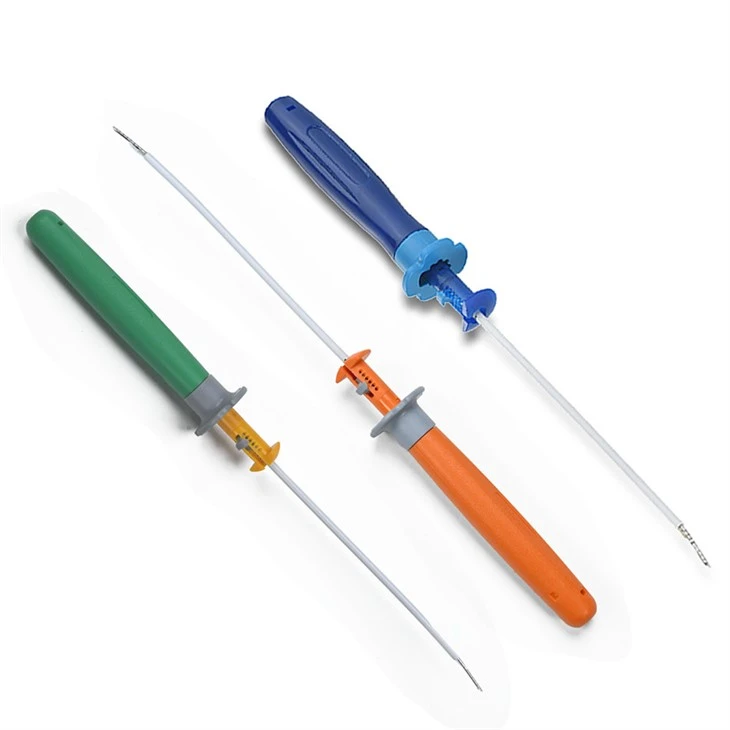
In addition to the above treatment methods, sports medicine consumables play a vital role in the treatment and prevention of muscle strains. For example, Meniscus Repair Suture Consumables are used in surgical procedures related to knee injuries, which can sometimes be associated with muscle strains in the surrounding area. These consumables are designed to provide strong and reliable fixation, ensuring proper healing of the damaged tissues.
Prevention of Muscle Strains
Preventing muscle strains is always better than treating them. Here are some tips for preventing muscle strains:
- Proper Warm - up and Cool - down: A proper warm - up before exercise helps prepare the muscles for activity, while a cool - down helps the muscles recover.
- Strength Training: Regular strength training helps build strong muscles, which are less likely to be injured.
- Flexibility Training: Improving flexibility through stretching exercises can reduce the risk of muscle strains.
- Proper Technique: Using proper technique during sports and physical activities can help prevent unnecessary stress on the muscles.
Conclusion
Treating muscle strains requires a comprehensive approach that combines immediate first - aid measures, pain management, physical therapy, and in some cases, advanced treatment options. As a sports medicine supplier, we are committed to providing high - quality products and solutions to support the treatment and prevention of muscle strains. Whether you're an athlete, a fitness enthusiast, or a healthcare professional, we have the products you need to aid in the recovery process.
If you're interested in learning more about our sports medicine products or have any questions about treating muscle strains, we encourage you to reach out to us for a procurement discussion. We're here to help you find the best solutions for your needs.
References
- American Academy of Orthopaedic Surgeons. (2023). Muscle Strains. Retrieved from [Website URL]
- National Athletic Trainers' Association. (2023). Injury Prevention and Wellness. Retrieved from [Website URL]
- Mayo Clinic. (2023). Muscle Strain. Retrieved from [Website URL]